Ansa Cervicalis Stimulation could become a viable ancillary respiratory neurostimulation (RNS) strategy for patients with insufficient responses to hypoglossal nerve stimulation (HNS).
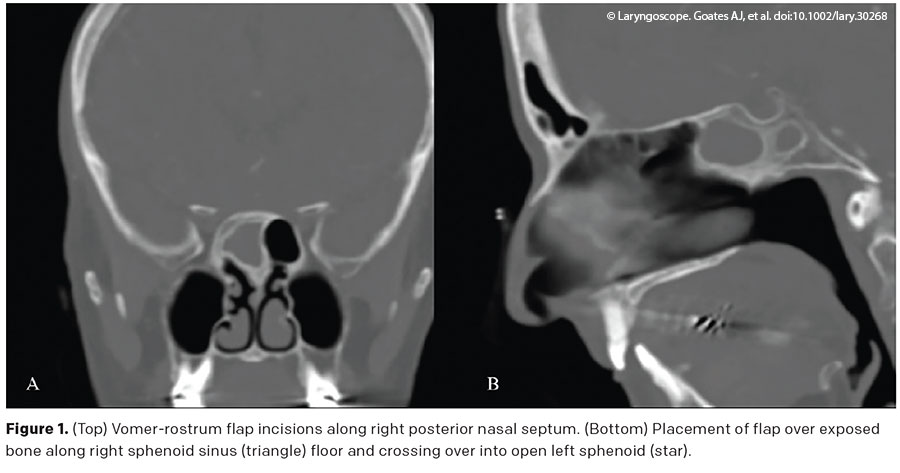
Ansa Cervicalis Stimulation could become a viable ancillary respiratory neurostimulation (RNS) strategy for patients with insufficient responses to hypoglossal nerve stimulation (HNS).
Ansa Cervicalis Stimulation could become a viable ancillary respiratory neurostimulation (RNS) strategy for patients with insufficient responses to hypoglossal nerve stimulation (HNS).

At least two new hypoglossal nerve stimulation (HNS) devices are being evaluated in clinical trials, and more are in development.

Telehealth is seen as favorable for several regular pediatric otolaryngology situations, including taking a history, conducting postoperative evaluations, and reviewing imaging.
Pharyngeal upper airway surgery in patients with obstructive sleep apnea (OSA) resulted in no significant, persistent adverse change in swallowing function.
Pediatric otolaryngologists who apply adult learning principles with trainees will maximize both the efficiency and efficacy of the learning process.
Prolonged operative time is associated with several adverse outcomes following endoscopic sinonasal surgery, including prolonged hospital length of stay, overall surgical complications, and bleeding.
Nasal discharge was the only symptom significantly improved by nasal saline treatment in patients with acute rhinosinusitis.
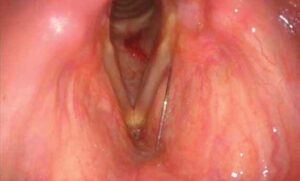
Awake in-office procedures may be the preferred treatment method for many patients who require multiple interventional treatments of the larynx, especially those at risk of being put under general anesthesia.
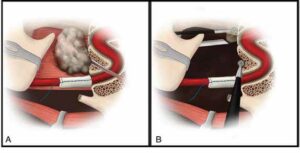
This method combines a lateral transcervical approach to provide proximal internal carotid artery (ICA) control and early visualization without the morbidity of a maxillary swing.