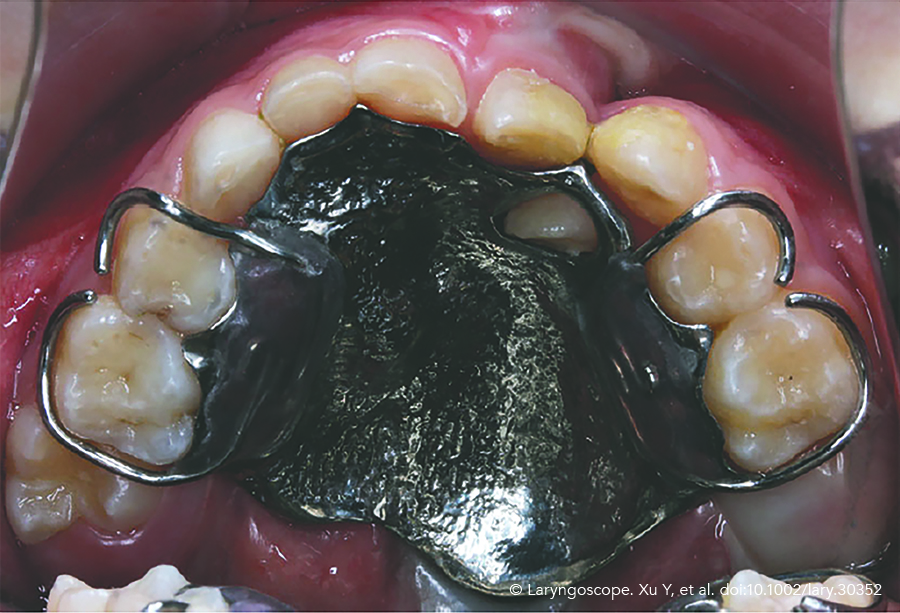
Rapid additive manufacturing of a superlight obturator for large oronasal fistula in pediatric patients are considered more comfortable, more cost-effective, and precise than conventional impression techniques


Rapid additive manufacturing of a superlight obturator for large oronasal fistula in pediatric patients are considered more comfortable, more cost-effective, and precise than conventional impression techniques

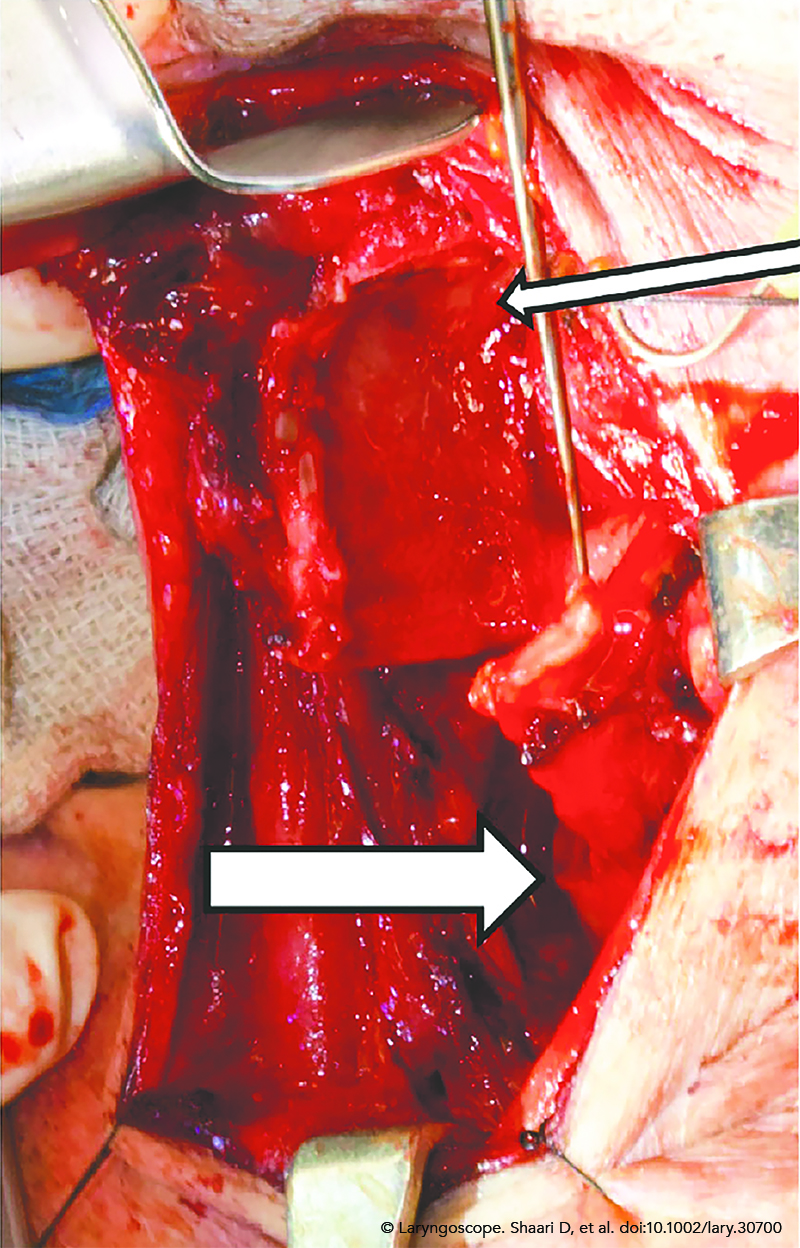
Novel sternocleidomastoid flap augmentation of tracheal reconstructive technique for invasive thyroid cancer is designed to incorporate the sternocleido-mastoid muscle flap directly over the tracheal suture line to minimize the risk of anastomotic complications.
A multi-database search comparing the diagnostic accuracy among seven radiological methods in analyzing CSF rhinorrhea showed Gd-MRC to be significantly superior to other imaging methods regarding sensitivity and accuracy.
Patients with a diagnosis of trisomy 13 or 18 often require multidisciplinary management, and the range of care spans the breadth of otolaryngology. Although T13 and T18 are considered mostly universally fatal, improvements in cardiac surgery have increased survival rates.
Socioeconomic and patient factors impact two-year survival in patients with newly diagnosed head and neck cancer more than travel distance alone.
The controversial effects of Guizhi decoction added to olfactory training in studies of patients who had been unresponsive to steroid or zinc treatment confers limited functional benefit to patients with traumatic anosmia.
Mastoid obliteration in cholesteatoma surgery tries to combine the advantages of two traditional surgical techniques: canal wall up, which keeps the posterior wall of the outer ear canal intact, and canal wall down, in which the posterior wall is removed, and helps in reconstructing the posterior wall.
Although American Academy of Audiology guidelines call for six to eight aftercare appointments, this criterion can strain in-clinic resources and pose hardships. Reducing to a four-appointment EBM approach delivered efficient and effective audiological aftercare to cochlear implant recipients in the first year.

This novel method of positioning the patient for SCD repair allows for optimal head rotation, requires less set-up and patient manipulation, does not require surgical pins, and allows the surgeon to maintain an ergonomically ideal posture during microdissection.

There are otolaryngologists who focus their surgical practices on patients with thyroid/parathyroid diseases; some have completed fellowships while others have not, and continuing board certification activities aren’t currently focused on this content. These issues, among others, were part of the genesis of the new focused practice designation.