The Arabic brief QOD demonstrated good validity and reliability in evaluating quality of life in patients affected by olfactory dysfunction (OD).
Embolization Decreases Blood Loss Resulting from Surgical Excisions of Juvenile Nasopharyngeal Angiofibroma
What are the comparative outcomes of juvenile nasopharyngeal angiofibroma (JNA) resection between embolized and non-embolized cohorts, and between transarterial embolization (TAE) and direct puncture embolization (DPE)?
Older People More Prone to Olfactory Habituation After Extended Exposure to Odors
Prolonged or repeated exposure to an odor can temporarily decrease olfactory sensitivity.
Awake Orotracheal Intubation Shown Successful in Four Patients with Laryngeal Cancer
Awake videolaryngoscopy intubation is an excellent strategy to adopt in patients with laryngeal cancer, particularly if potentially complicated intubation is expected.

How Otolaryngologists Are Using Social Media for Networking, Patient Education, Study Recruitment, and More
Social media use within otolaryngology is increasing rapidly, mainly for professional networking but also for applications that directly impact patient care, such as patient education and study recruitment.

When Should We Recommend Intracapsular Tonsillectomy in Pediatric Patients?
Intracapsular tonsillectomy is a safe and effective method for performing tonsillectomy and should be included in future clinical practice guidelines for tonsillectomy.
Where Does Hypoglossal Nerve Stimulator Implant Fit in the Surgical Management Algorithm of Obstructive Sleep Apnea?
Hypoglossal Nerve Stimulator therapy is an effective and safe surgical option for patients with moderate to severe OSA who cannot tolerate PAP therapy.
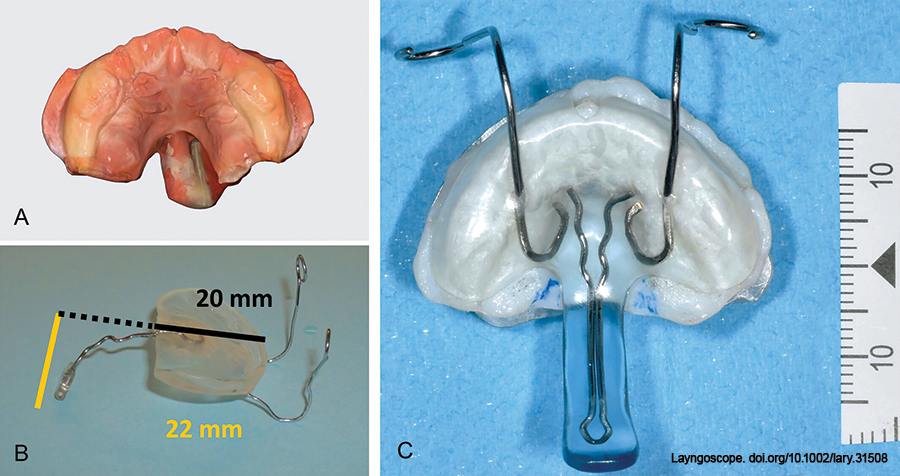
How to: Pre-Epiglottic Baton Plate in Newborns with PRS: Revisiting the Practical Workflow
Pierre Robin sequence (PRS) has an estimated prevalence of one in 10,000 births and is characterized by micrognathia and glossoptosis leading to upper airway compromise. As airway obstruction can be life-threatening, immediate recognition and treatment are vital.
Tirzepatide Makes a Big Splash, but What Else is on the Horizon for OSA?
When it comes to drug therapy most of the recent buzz has been triggered by data on tirzepatide released at the American Diabetes Association 84th Scientific Sessions, suggesting that the drug may obviate the need for continuous positive airway pressure (CPAP) in nearly half of OSA patients.

Otolaryngologists Share Tips Tor Navigating Challenges They Learned In Their First Five Years of Practice
- « Previous Page
- 1
- …
- 15
- 16
- 17
- 18
- 19
- …
- 170
- Next Page »