Middle cranial fossa and transmastoid approaches to superior semicircular canal dehiscence repair are effective approaches that result in acceptable rates of favorable hearing outcomes for patients.

Middle cranial fossa and transmastoid approaches to superior semicircular canal dehiscence repair are effective approaches that result in acceptable rates of favorable hearing outcomes for patients.
Patients with a diagnosis of trisomy 13 or 18 often require multidisciplinary management, and the range of care spans the breadth of otolaryngology. Although T13 and T18 are considered mostly universally fatal, improvements in cardiac surgery have increased survival rates.
Mastoid obliteration in cholesteatoma surgery tries to combine the advantages of two traditional surgical techniques: canal wall up, which keeps the posterior wall of the outer ear canal intact, and canal wall down, in which the posterior wall is removed, and helps in reconstructing the posterior wall.
Although American Academy of Audiology guidelines call for six to eight aftercare appointments, this criterion can strain in-clinic resources and pose hardships. Reducing to a four-appointment EBM approach delivered efficient and effective audiological aftercare to cochlear implant recipients in the first year.
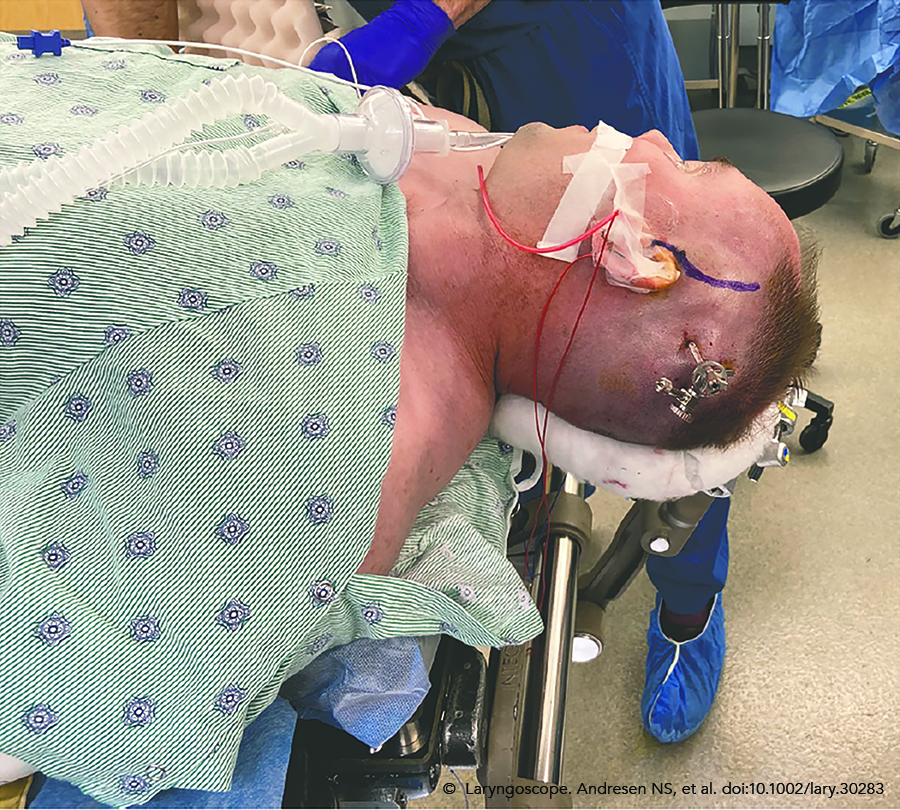
This novel method of positioning the patient for SCD repair allows for optimal head rotation, requires less set-up and patient manipulation, does not require surgical pins, and allows the surgeon to maintain an ergonomically ideal posture during microdissection.

For patients who merely need perforation repair, this method spares a canal incision, which favors blood supply to the tympanic membrane and simplifies wound dressing.
Philips Respironics has recalled a second set of CPAP/BiPAP machines, identified as a Class I recall by the U.S. Food and Drug Administration. The 1,088 recalled DreamStation1 units, distributed between […]

Monopolar electrosurgery is a versatile tool used to accomplish incision, dissection, or homeostasis during surgical procedures with no adverse events from monopolar eectrosurgery use in patients with cochlear implants
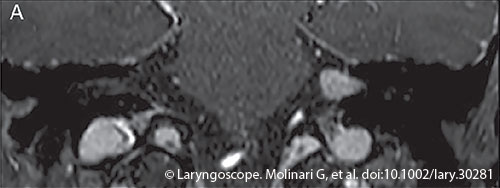
Despite the accumulating evidence of feasibility, safety, and positive functional outcomes of the Expanded Transcanal Transpromontorial Approach, its spread has been restricted to few centers across the world.