A significant amount of medical training, at both the medical school and residency levels, occurs at larger academic hospital systems, however. This can make getting a firsthand view of private practice a challenge for physicians in training.

A significant amount of medical training, at both the medical school and residency levels, occurs at larger academic hospital systems, however. This can make getting a firsthand view of private practice a challenge for physicians in training.
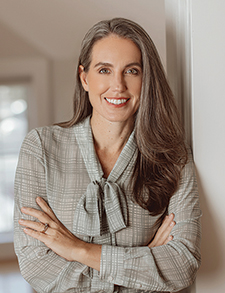
Editor Robin Lindsay, gives pointers to help your journey for work-life balance choices a little easier.

PROMs are important in otolaryngology because many of the issues that patients have (e.g., hearing loss, nasal issues, snoring, swallowing, dizziness) have a big subjective component. One of the benefits of performing PROMs is getting a measure of how a patient is doing at that visit, as well as giving the clinician a point of focus, whether it’s a specific physical, functional, or emotional issue.

Distinguished otolaryngologists were honored and generations of physicians connected at the 2024 Triological Society Combined Sections Meeting in West Palm Beach, Florida.

This article provides a brief foundational understanding of generative AI and describes examples of its current and potential uses in healthcare, as well as the experience of some otolaryngologists in their early adoption of generative AI programs designed to help ease the burdensome task of documentation.

Dr. Pensak reminisces about his career, his time as Triological Society executive vice president, and what comes next.

Short-term mission trips—where physicians go in, help, and then leave—address the immediate burden of patient care, whereas longer trips—where physicians create programs and train local physicians to take over after they have gone—address the ongoing need for care.

Our hope is that ENTtoday provides a forum for discussion of different points of view, thereby empowering all of us to succeed in the practice of otolaryngology.

Once stepping foot in medical school, especially if specialiizing in surgery, the next 10 years are basically mapped out for future otolaryngologists, who don’t have control over much, including whether they’ll be able to get pregnant if they want a baby.

This article is the first in a series of five that looks at the broad dimensions of AI within the context of healthcare in general and otolaryngology where apt. This first article describes basic principles of AI and how these technologies are currently used in healthcare.