Although OCT was not capable of replacing CT due to its limited field of view (FOV) and inability to image through thick bony tissues, it visualized signs of pathology that are difficult to visualize with CT, suggesting its usefulness for some middle ear diagnostics.
Atmospheric Pressure Changes Linked to ELS Volume Changes in Patients with Unilateral Ménière’s Disease
Although OCT was not capable of replacing CT due to its limited field of view (FOV) and inability to image through thick bony tissues, it visualized signs of pathology that are difficult to visualize with CT, suggesting its usefulness for some middle ear diagnostics.
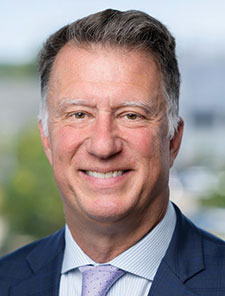
From Research Bench to Tangible Therapy with Dr. Joseph Kerschner
At 60 years old, after a fruitful career as a clinician–scientist, medical school dean, and provost at the Medical College of Wisconsin, Dr. Kerschner is pivoting his career to join Chartis, a leading healthcare advisory firm. In his role as a strategic transformation senior partner, Dr. Kerschner will apply not only his clinical and research expertise but also his leadership experience guiding a health system and medical school to help drive transformative change in healthcare.

Changing Perspectives: Why ENT Surgeons Should Consider Nerve Reconstruction
We should consider our patients as more than just cases. They are people whose lives will be forever impacted by nerve loss, who will have lifelong issues with eating, speaking, and expressing themselves.

ENTtoday Recognized for Excellence
The Triological Society and Wiley are happy to announce that ENTtoday has received two APEX Awards of Excellence this year for content published in 2024. The August 2024 issue was […]

The Importance of Time Away
This July editorial ENTtoday editor, Robin W. Lindsay, MD, decided to focus instead on physician wellness and the importance of taking some time off away from work to recharge, refocus, connect with friends and family outside of work, and focus on self-care. More on the other topics over the next few months.
Endoscopic Ear Surgery: Advancements and Adoption Challenges
Scan the literature on transcanal endoscopic ear surgery (TEES) and you’ll find a host of benefits for the procedure when it is compared with its microscope-guided counterpart, including enhanced visualization, superior training, and reduced post-operative complications, to name just a few. Coupled with recent equipment advances, such as thinner, more flexible endoscopes and ones that combine cutting and suctioning for enhanced bleeding control, it’s clearly an exciting time for TEES.
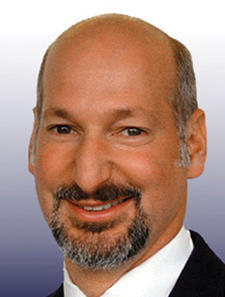
Reflections from a Past President of the Triological Society
There is no other organization in our specialty that promotes fellowship, camaraderie, and development across the entire spectrum of otolaryngologists (Triological Society fellows, candidates, residents, and students) the way our society does. Some organizations stop there, looking inward, promoting internal professional development. But the Triological Society also looks outward, promoting engagement, education, and opportunity outside of its member group.

ENT Surgeons Explore the Benefits and Challenges of AI-Powered Scribes: Revolutionizing Documentation in Healthcare
In the fall of 2024, artificial intelligence-powered ambient scribe technology was rolled out across the University of California, San Francisco (UCSF) health system, allowing otolaryngologists and other clinicians to transcribe conversations with patients into text with just a click of a button.
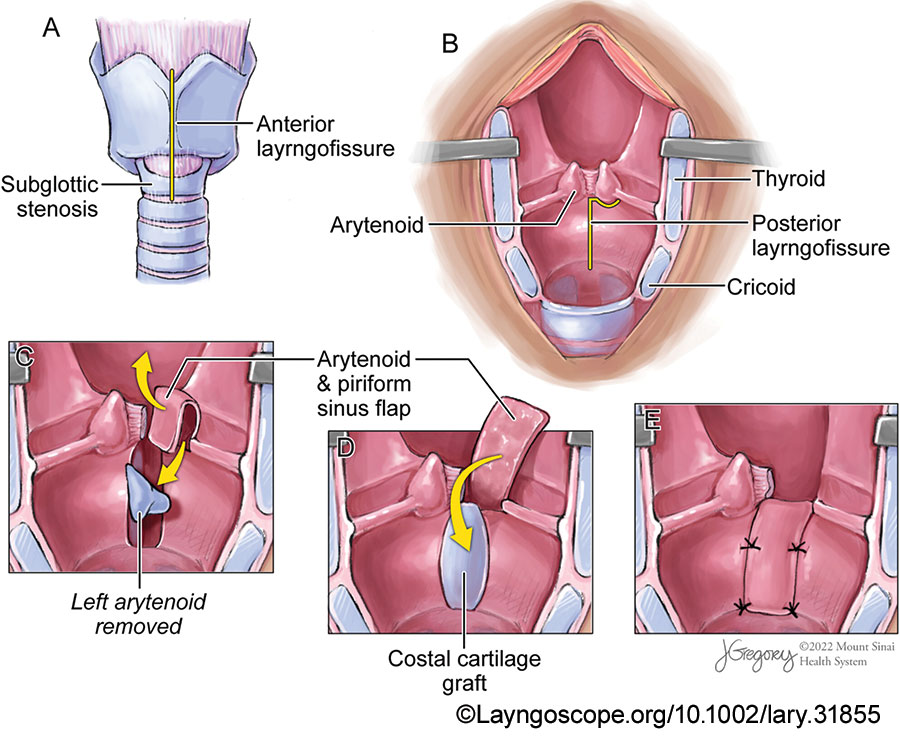
How To: Open Expansion Laryngoplasty for Combined Glottic and Subglottic Stenosis
Expansion laryngoplasty is a new, combined procedure that can treat both glottic and subglottic stenosis simultaneously. This is a small case series showing how to perform this surgery, as well as outcomes from 15 years.
- « Previous Page
- 1
- …
- 12
- 13
- 14
- 15
- 16
- …
- 346
- Next Page »